The coat and the layer beneath
Winter travel takes you from a platform in the wind to a carriage with the heating up, then outside again. Lay the long-sleeved top, jumper and coat on the bed and try them together. A thin knit under a coat you can easily open gives you more choices over the course of that day.
Look at the length of the coat when sitting and walking, and try the hood over the hat you intend to wear. For a wet destination, check how the outer material and seams deal with rain. Down, wool and a waterproof shell do different jobs. The warm-looking coat in a shop window might still need a separate rain layer.
Hands, neck and feet
- Scarf
- Use one long enough to close the gap at the neck. Try it with the coat fastened and tuck loose ends away from a zip or bag strap.
- Gloves
- Try picking up a key and holding a rail with them on. For wet days, look for a pair that keeps out moisture and gives a secure grip. A spare dry pair can be welcome after a morning in sleet.
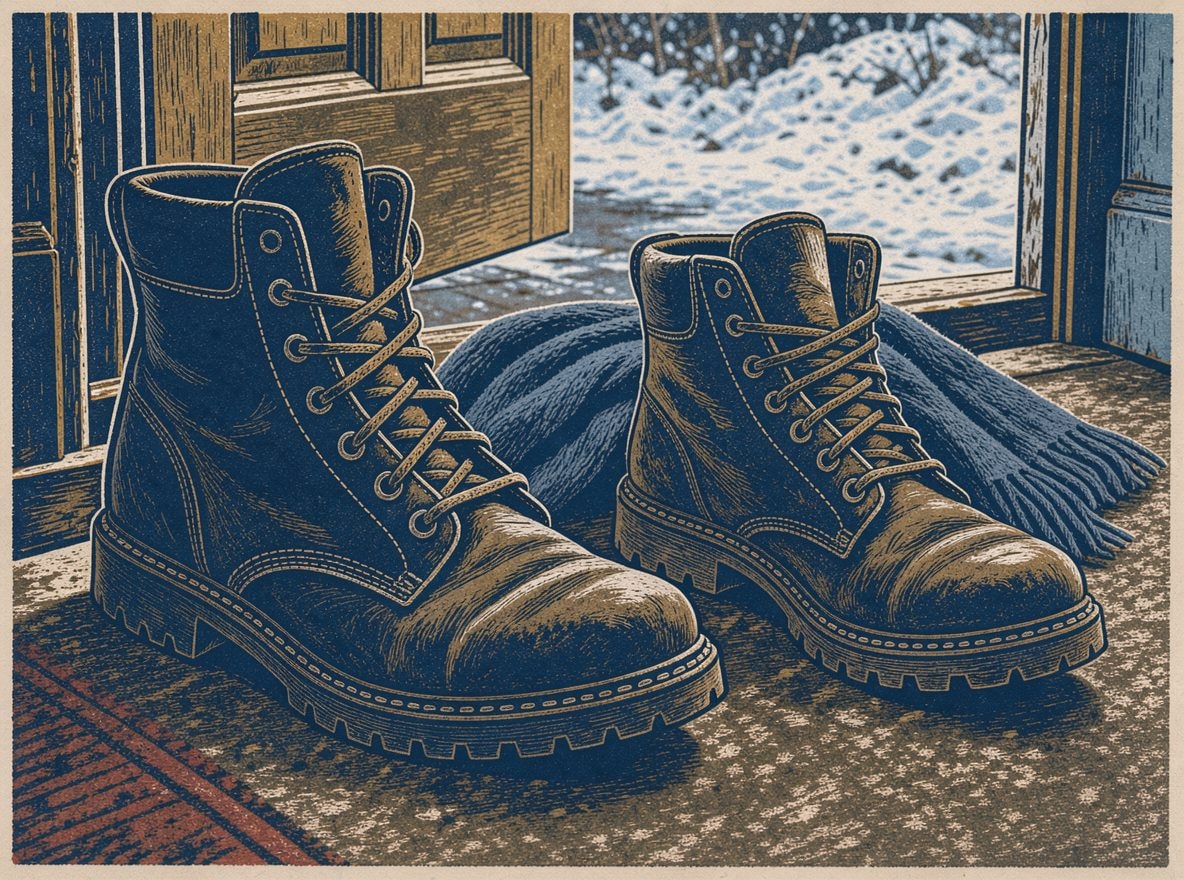
- Shoes and boots
- Start with a comfortable fit and a sole with tread suited to the surface. For snow, consider a higher top and room for thicker socks. Try the complete combination before setting off. Even substantial boots need care on ice.
Keep the indoors in mind
A long-sleeved base layer can sit under a thin sweater or a shirt. If you expect to walk briskly, leave room to remove a layer without unpacking everything. Avoid a combination that leaves you in a heavy jumper on the train with nothing comfortable underneath.
A dress or skirt can travel perfectly well if the layer beneath, the coat length and the footwear work together. Try sitting down and climbing a step before you decide. Try the watch strap under a snug cuff too. Test that small detail once and you can stop thinking about it for the whole journey.
Leave the top of the bag free for the scarf and gloves when you go inside. A small dry bag for a damp pair keeps the rest of the clothes ready for the journey back.